

Your teeth are deeply connected to your physical body and emotional well-being—issues you might have overlooked.

 StressPhysical and emotional stress are leading triggers for bruxism (teeth grinding). Long-term stress suppresses the immune system, reducing the body’s ability to fight oral bacteria. This increases the risk of gingivitis and periodontitis, accelerates plaque buildup, and eventually leads to tooth sensitivity and tartar formation.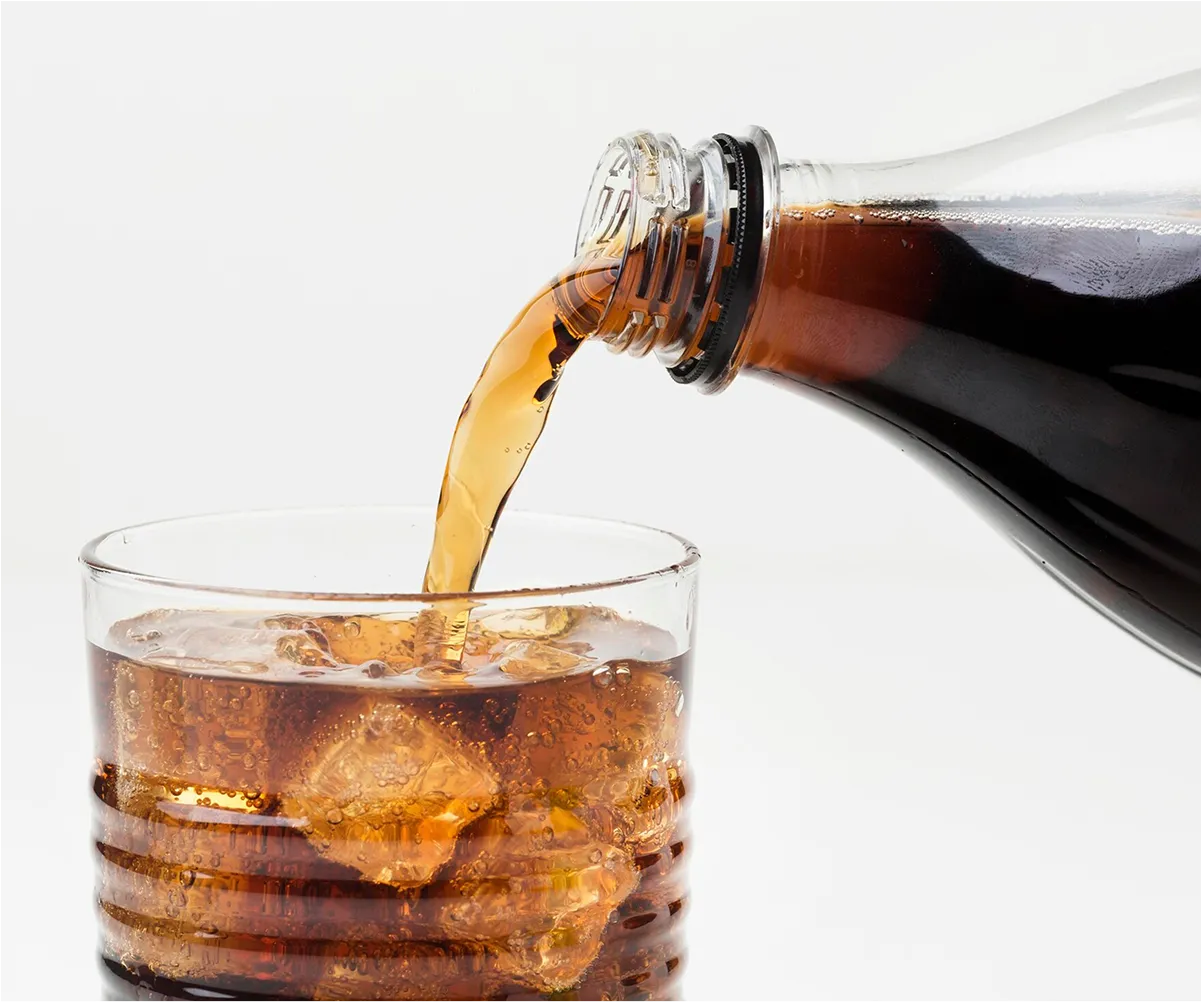
 NutritionPoor dietary habits, such as high sugar and carbonated drink intake, create nutritional gaps. This deprives teeth of essential nutrients. Insufficient intake of Vitamins C and D can also lead to swollen and bleeding gums.
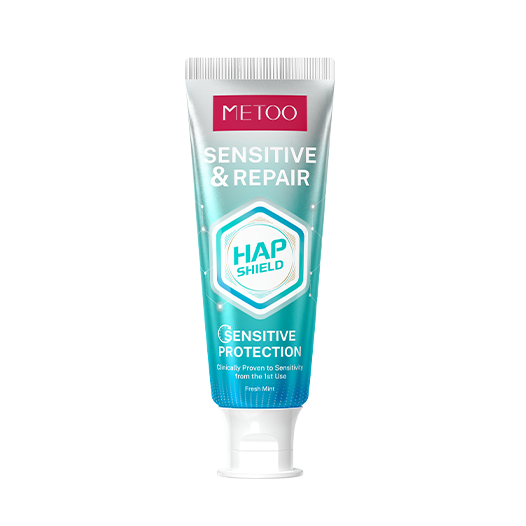
 AgingAging:As we age, gum recession may occur, gradually exposing the deeper, yellowish dentin. Saliva production often decreases, and tooth wear becomes more severe, increasing the likelihood of gingivitis and sensitivity.Recommendation: Use our HAP Toothpaste to repair damaged enamel and remineralize your teeth. Strengthen your teeth and gums while extending the "lifespan" of your smile.
 HormonesAging and emotional fluctuations cause shifts in hormone levels, making the body more susceptible to the effects of cortisol and increasing the risk of oral infections. During pregnancy, surging hormone levels can trigger tooth sensitivity, mouth ulcers, and angular cheilitis (cracked mouth corners).Try our HAP Toothpaste: Our core ingredient, HAP, is renowned for its unparalleled biocompatibility and exceptional safety profile
 LifestyleYour environment, the products you use, and the food you consume can introduce toxins into your oral cavity. These factors directly impact your oral health, leading to cavities, plaque, and stubborn tooth stains.
 MetabolismMetabolism:Metabolism dictates how your teeth absorb nutrients. Persistent gum and tooth issues can often be a sign of a sluggish metabolism.