

Despite being the hardest substance in the body, enamel can wear down over time. This loss is typically linked to both bacterial and non-bacterial acids.
- Bacterial Decay: Poor hygiene allows bacteria to produce acids that erode enamel, leading to cavities.
- Dental Erosion: The irreversible loss of enamel caused by non-bacterial acid sources.
Factors that weaken enamel include:
- Improper Dental Care: Brushing too aggressively or using a hard-bristle toothbrush.
- Unhealthy Diet: Frequent consumption of highly sugary or acidic foods and drinks.
- Medical Conditions: Acid reflux (GERD) or chronic vomiting.
- Lifestyle Habits: Smoking, tobacco use, and excessive alcohol consumption.
- Dry Mouth (Xerostomia): A lack of protective saliva.
- Traumatic Injury: Physical chips or cracks.
Enamel loss leads to tooth sensitivity. When enamel thins, the underlying hard tissue (dentin) is exposed, allowing external stimuli like heat and cold to reach the internal nerves.
1. Avoid Unhealthy Dietary Choices
Bacteria thrive in acidic and sugary environments. Foods and drinks with a pH level below 5.0–5.7 are the primary triggers for dental erosion.
- Limit acidic foods, sodas, soft drinks, and sports drinks.
- Avoid "swishing" acidic drinks in your mouth to minimize contact time with teeth.
- Rinse with water or mouthwash immediately after consuming acidic items to neutralize the environment.
- Wait to brush: Avoid brushing for at least 60 minutes after consuming acidic foods. Acid temporarily softens the enamel; brushing too soon can accelerate wear.
2. Choose a Tooth-Friendly Diet
- Fiber-Rich Foods: Whole grains, fruits, and vegetables stimulate saliva flow.
- Proteins & Dairy: Lean proteins and low-fat dairy are rich in calcium and phosphorus, essential for health.
- Hydration: Drink plenty of water.
- Sugar-Free Gum: Helps reduce dry mouth and stimulates saliva—the body’s natural remineralization agent.
3. Select Fluoride & HAP Products
The best products are those that promote remineralization.
- Fluoride: Strengthens teeth and creates acid-resistant minerals.
- Hydroxyapatite (HAP): Directly replenishes the minerals enamel is made of.
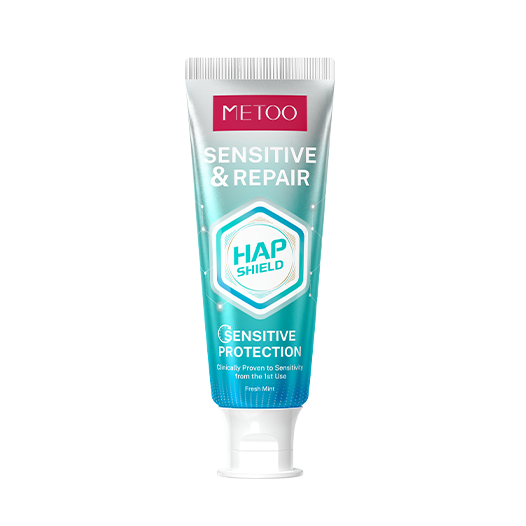
- METOO HAP Shield™ Sensitive Care Toothpaste: Formulated to specifically combat enamel erosion and fortify tooth structure.
4. Maintain Excellent Oral Hygiene
- Use a soft-bristle toothbrush and a gentle technique twice daily for two minutes.
- Clean interdental spaces once a day using floss or interdental brushes.
- Replace your toothbrush as soon as bristles show wear to avoid abrasive damage.
- Schedule professional cleanings and check-ups at least every six months.
- Can tooth enamel grow back once it's worn away?
- How can I tell if my enamel is thinning? Watch for these warning signs:
- Sensitivity: Sharp pain from hot, cold, or sweet triggers.
- Discoloration: Teeth appearing yellower as the yellow dentin shows through the thinning enamel.
- Transparency: The edges of the front teeth (incisal edges) look translucent or jagged.
- Texture Changes: Pits, indentations, or a rough feel on the tooth surface.
- What are the clinical treatments for severely worn enamel? If erosion is severe, a dentist may recommend:
- Composite Bonding: To repair localized defects.
- Porcelain Veneers: To cover and protect the front of the teeth while improving aesthetics
- Dental Crowns: To completely encase and protect a severely compromised tooth.
No. Because enamel is a non-cellular tissue, the body cannot regenerate it once it is physically lost. We can only strengthen the remaining enamel and repair microscopic demineralization through the methods mentioned above.
Disclaimer: This content is for educational purposes only and is not a substitute for professional medical advice, diagnosis, or treatment. Always consult a licensed dentist for dental concerns.