




Tooth discoloration is not a single phenomenon. Based on the location and cause, it is categorized into three primary types:
Extrinsic Staining
- Description: Pigments deposit on the outermost layer (enamel surface), especially in uneven areas or on the "acquired pellicle" (a salivary protein film)..
- Characteristics: Appears as yellowish-brown or dark-brown spots/streaks, common in interdental gaps and inner surfaces. This can usually be removed through professional cleaning and daily care.
Intrinsic Staining
- Description: Pigment substances exist within the internal structure (dentin layer).
- Characteristics: The tooth appears uniformly yellow, gray, or brown. Since the color comes from the inside, surface cleaning is ineffective; chemical bleaching agents are required..
- Examples: Tetracycline staining, dental fluorosis, or discoloration due to nerve necrosis or trauma.
Age-Related Discoloration:/p>
- Description: A natural physiological change that occurs with age.
- Mechanism: Over time, the outer enamel thins and becomes more translucent, while the inner dentin naturally thickens and darkens. This combination makes teeth appear yellower and duller.
Culprits of Extrinsic Staining:
- Dietary Pigments: Coffee, black tea, red wine, cola, soy sauce, curry, etc.
- Tobacco: Tar and nicotine create stubborn tobacco stains.
- Poor Oral Hygiene: Incomplete brushing leads to plaque and tartar buildup, which easily absorb pigments.
Roots of Intrinsic Staining:
- Medication: Taking tetracycline antibiotics during tooth development (childhood) causes the drug to bind with calcium in the dentin. Excess fluoride leads to dental fluorosis (chalky white or brown patches).
- Dental Treatments: After a root canal, the tooth may turn gray or dark due to the loss of nutrient supply.
- Trauma: Physical impact can cause internal bleeding, leading to hemoglobin breakdown and discoloration.
- Genetics: Certain hereditary conditions (like Dentinogenesis Imperfecta) affect the structure and color of teeth.
The essence of all whitening methods is the removal or fading of internal and external pigments.
- 1. For Extrinsic Stains: Removed primarily through physical abrasion (abrasives in toothpaste) and chemical cleaning.
- 2. For Intrinsic Stains: Requires chemical bleaching agents, primarily peroxides (Hydrogen Peroxide or Carbamide Peroxide). These penetrate the enamel into the dentin layer, using an oxidation-reduction reaction to break down dark pigment molecules into colorless small molecules.
- Baking Soda (Sodium Bicarbonate): Uses mild abrasion to remove surface stains. Use sparingly (1-2 times a week) by mixing with water or toothpaste. Warning: Frequent use can wear down enamel.
- Coconut Oil Pulling: One of the safest methods. It removes bacteria and plaque, helping teeth maintain their natural cleanliness.
- Strawberries + Baking Soda: Strawberries contain malic acid, which may help remove surface stains. Use once a month at most and rinse thoroughly immediately.
- Apple Cider Vinegar: Dilute heavily (1:10 ratio with water) and use only 1-2 times a month as a rinse. Wait 30 minutes before brushing to avoid brushing away softened enamel.
- Fruit Peels (Banana, Orange, Lemon): Gently rub the white inner side of the peel on teeth. Ensure you rinse thoroughly as citrus peels contain acids.
Whitening Toothpaste:
- Mechanism: Uses high-quality hydrated silica (physical), pyrophosphates/sodium phytate (chemical adsorption), or low-concentration peroxides.
- Pros: Safe and convenient for daily maintenance.
- Cons: Limited effect on internal color.
Home Whitening Kits (Strips/Trays)
- Mechanism: Uses Carbamide Peroxide.
- Pros: More noticeable results than toothpaste.
- Cons: Potential gum irritation or uneven whitening.
Professional In-Office Whitening (Cool Light/Laser)
- Mechanism: High-concentration hydrogen peroxide (25%-40%) activated by light or laser.
- Pros: Immediate results (5-8 shades brighter) in about one hour.
- Cons: Higher cost and potential temporary sensitivity.
Custom-Fitted Trays (Dentist-Prescribed)
- Pros: Even whitening and low risk of gum irritation.
- Cons: Takes 1-4 weeks for full results.
- Maintain Oral Hygiene: Brush twice and floss daily; get professional cleanings every 6-12 months.
- Rinse After Eating: Rinse with water after consuming dark-colored drinks or food.
- Avoid Tobacco: Quitting smoking is the most effective way to prevent tobacco stains.
- Use a Straw: Reduces contact between staining liquids and tooth surfaces.
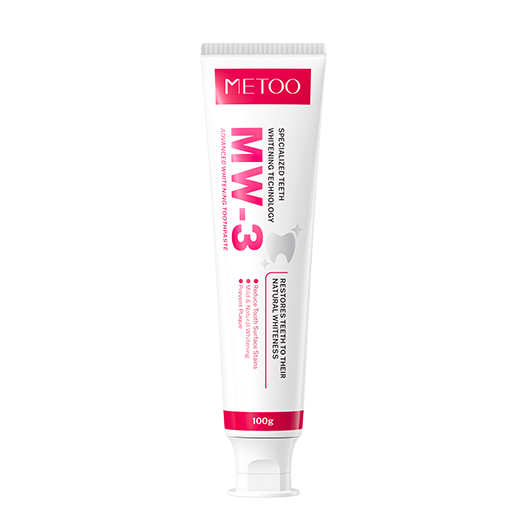
- Use METOO MW-3 Advanced Whitening Toothpaste: Ordinary toothpastes are not designed for stain removal. MW-3 features three advanced, gentle whitening ingredients for a comprehensive, scientific whitening experience. [Explore MW-3]
- Is whitening effective for everyone?
- Does whitening damage enamel?
- What if I experience sensitivity after whitening?
Disclaimer: This content is for educational purposes only and is not a substitute for professional medical advice, diagnosis, or treatment. Always consult a licensed dentist for dental concerns.
Controlling tartar and plaque is vital for preventing various dental issues. Bacteria thrive in these deposits, increasing the risk of cavities, tooth decay, and halitosis (bad breath). As plaque accumulates, it creates porous areas on the teeth that attract even more deposits, accelerating the tartar formation cycle. Furthermore, tartar absorbs stains from pigmented drinks and food, leading to tooth discoloration.
Plaque and tartar are primary culprits behind gum disease. When plaque hardens into tartar at the gum line, it triggers inflammation and bleeding—the early stage of gum disease known as Gingivitis. If untreated, it can progress to a severe stage called Periodontitis. While existing tartar requires professional dental cleaning to remove, tartar-control toothpaste helps maintain hygiene by removing plaque and preventing new tartar from forming.
- Proper Brushing & Flossing: The cornerstone of oral care. Use the Bass Method, brushing twice daily for at least two minutes. Flossing daily is crucial to clearing plaque from interdental spaces where brushes can't reach.
- Oil Pulling: An ancient Ayurvedic practice. Swishing a tablespoon of cold-pressed coconut, sesame, or olive oil for 15–20 minutes before brushing helps adsorb bacteria. Coconut oil’s lauric acid offers additional antimicrobial benefits.
- Baking Soda (Sodium Bicarbonate): Mildly abrasive, it helps scrub away surface plaque and stains. Mix a small amount with water or toothpaste and brush gently 1–2 times a week. Caution: Do not use excessively to avoid enamel wear.
- Warm Saltwater Rinse: A natural disinfectant that soothes gum inflammation and creates an environment less hospitable to bacteria.
- Aloe Vera Gel: Pure, food-grade aloe vera gel has natural anti-inflammatory and antibacterial properties that help control plaque-causing bacteria.
- Clove Oil: Contains Eugenol, a powerful natural antiseptic. Mix 1–2 drops with a carrier oil and apply to the gums to improve gum health.
- Green Tea: Rich in catechins, it inhibits the growth of bacteria that lead to plaque and bad breath.
An ideal tartar-control toothpaste slows the mineralization of plaque. Key ingredients include:
- Pyrophosphates: Such as Tetrasodium Pyrophosphate, which interfere with the minerals in plaque to prevent it from hardening into tartar.
- Zinc Citrate or Zinc Chloride: Provides antibacterial action against plaque-forming bacteria.
- Abrasives: Gentle abrasives and surfactants remove surface stains and debris without damaging enamel.
- Fluoride: Fortifies enamel against acid attacks from plaque bacteria.
- Humectants & Flavors: Ingredients like Sorbitol provide a pleasant taste and keep the formula moist.
- Does tartar damage teeth?
- Is tartar-control toothpaste effective?
- What can dissolve hard tartar?
- Can chewing gum reduce tartar?
Yes. Untreated tartar harbors bacteria that lead to bad breath, cavities, and severe gum diseases like gingivitis and periodontitis.
Yes. It slows the calcification of plaque into tartar through ingredients like pyrophosphates, while fluoride and zinc offer antibacterial and cavity protection.
Only professional dental scaling can safely remove hardened tartar. While some believe baking soda or vinegar can soften it, these home methods are often ineffective and potentially harmful to enamel.
Chewing sugar-free gum stimulates saliva flow, which helps wash away food particles and bacteria. While it reduces the plaque that leads to tartar, it is not a substitute for brushing, flossing, and professional cleanings.
Disclaimer: This content is for educational purposes only and is not a substitute for professional medical advice, diagnosis, or treatment. Always consult a licensed dentist for any dental concerns.