




Understanding the Causes: The First Step to Relief
To understand sensitivity, one must first understand the structure of a tooth, which consists of three layers:
- Enamel: The outermost layer of the crown. It is the hardest tissue in the human body, protecting the fragile inner structures. It contains no nerves.
- Dentin: Located beneath the enamel, it is filled with countless microscopic, fluid-filled channels called "dentinal tubules." These tubules lead directly to the nerves inside the tooth.
- Pulp: The core of the tooth containing nerves and blood vessels—the "life center" of the tooth.
If you haven't seen a dentist yet, these natural methods may provide temporary relief:
- Oil Pulling: An ancient Ayurvedic practice. Swishing a tablespoon of cold-pressed coconut, sesame, or olive oil for 15–20 minutes before brushing helps reduce bacteria and coat exposed tubules.
- Warm Saltwater Rinse: A natural disinfectant. Dissolve half a teaspoon of salt in warm water and rinse 2–3 times a day to reduce inflammation and temporarily soothe sensitivity.
- Green Tea Rinse: Contains catechins—natural antioxidants and anti-inflammatories that help strengthen gums and teeth.
- Aloe Vera Gel: Apply pure, food-grade aloe vera gel to sensitive areas to soothe inflamed gums.
- Clove Oil: Contains Eugenol, a natural anesthetic. Mix 1–2 drops with a carrier oil (like olive oil) and apply with a cotton swab to the sensitive area for temporary numbing.
Consult a professional if you experience:
- Pain lasting more than a few minutes.
- Severe pain that disrupts daily life (eating, sleeping).
- Pain localized to a single tooth (may indicate a deep cavity or crack).
- Accompanied symptoms like visible defects, swelling, bleeding, or loose teeth.
- No improvement after using desensitizing toothpaste for several weeks.
- Which nutrient deficiencies cause tooth sensitivity?
- What is the fastest way to treat sensitivity at home?
- Can tooth sensitivity heal on its own?
- How can I relieve sensitivity at home?
A toothache refers to localized pain or discomfort in a tooth or its surrounding areas. The severity, duration, and specific location of the sensation vary. Some toothaches may be mild and temporary, while others can be sharp, persistent, and intense enough to disrupt sleep, eating, and daily life.
Toothache pain can be described as sharp, throbbing, dull, aching, or sensitive. These sensations usually indicate an issue with the tooth or its supporting structures, requiring professional dental evaluation. Understanding common causes and treatments is essential for relief. Various signs and symptoms explain why professional dental care is crucial for an accurate diagnosis.
The manifestation of a toothache depends on the cause and location. Common types include:
- Tooth Sensitivity: Pain felt when consuming hot, cold, or sweet foods, indicating enamel erosion and exposed dentin.
- Persistent Spontaneous Pain: Continuous dull or throbbing pain (rhythmic like a heartbeat) that occurs without external stimuli. It often worsens at night and interferes with sleep. This may indicate Pulpitis (inflammation of the dental nerve), usually caused by deep cavities. This is an urgent signal to seek immediate medical attention.
- Pain During Chewing: Sharp pain or a sensation of pressure when biting or pressing on the tooth. Potential causes include cracked teeth, vertical root fractures, periodontal abscesses, or traumatic occlusion.
- Swollen and Aching Gums: Redness, swelling, and tenderness around the tooth, sometimes accompanied by a gum boil (abscess). The tooth may feel "loose" or "high" in the socket. Possible causes include periodontal abscesses, acute periodontitis, or pericoronitis (wisdom tooth inflammation).
Sharp pain felt during extreme temperatures may indicate a cavity or tooth sensitivity. Sensitivity occurs when the inner dentin layer is exposed. Dentin contains nerve fibers that are highly reactive to stimuli. Even without a cavity, exposed dentin can trigger significant pain.
Dentin exposure is typically caused by enamel wear or gum recession. Factors such as aggressive brushing or dental trauma can erode protective enamel, causing gums to pull away from the tooth surface. Once exposed, dentin reacts to thermal (heat/cold), tactile, or chemical stimuli. These pain signals travel through the pulp, causing discomfort. Managing sensitivity can provide relief and prevent further enamel loss.
- Dental Caries (Cavities): Bacteria produce acid that decays hard tooth tissue, forming cavities.
- Pulpitis: Bacteria and toxins enter the pulp chamber through cavities or cracks, leading to nerve inflammation or necrosis.
- Periapical Periodontitis: Infection from the pulp spreads through the root tip (apex) to the surrounding tissues.
- Periodontal Disease: Plaque and tartar cause infection and bone loss in the gums and supporting structures.
- Enamel Erosion / Wedge-Shaped Defects: Caused by improper brushing, bruxism (grinding), or acidic erosion.
- Fractures or Cracks: Resulting from biting hard objects or physical trauma.
- Tooth Eruption: Pressure felt during childhood tooth transition or wisdom tooth emergence.
- Acid Erosion: Frequent intake of acidic drinks/food that demineralizes and softens enamel.
Note: These are temporary measures for emergency use and are not a substitute for professional treatment.
- Gentle Rinsing: Use warm saltwater (1/2 tsp salt in a cup of water) to clean the area and soothe swollen gums.
- Cold Compress: Apply a cold pack to the outside of the cheek for 15 minutes to reduce swelling and numb the pain.
- Avoid Irritants: Avoid chewing on the affected side and stay away from extreme temperatures or hard/sweet foods.
- Maintain Hygiene: Gently brush and floss to remove irritating food debris.
- OTC Pain Relief: Ibuprofen or Acetaminophen can provide temporary relief (follow dosage instructions and consult a pharmacist).
- Clove Oil: Use a cotton swab to apply a small amount to the affected area for its natural anesthetic properties (avoid contact with soft oral mucosa).
- Mouthwash: Regular use reduces bacterial count, easing gum pain caused by inflammation.
- Fillings: For shallow to moderate cavities; decay is removed and replaced with resin.
- Root Canal Therapy: For pulpitis or periapical infection. The infected pulp is removed, and the canal is disinfected, sealed, and topped with a crown. This is the best way to save a natural tooth.
- Periodontal Treatment: Including scaling, root planing, or surgery to remove deep plaque and tartar.
- Extraction: Necessary when a tooth is too damaged to save or for problematic impacted wisdom teeth.
- Desensitization: Dentists apply high-concentration fluoride or desensitizing agents.
- Crowns or Inlays: To repair severely worn or cracked teeth.
- Use Fluoride Mouthwash Daily: Kills decay-causing bacteria and strengthens enamel.
- Brush Twice and Floss Once Daily: Use a soft-bristle brush and fluoride toothpaste for two minutes.
- Limit Sugar and Acid: Reduce foods that feed bacteria or erode enamel.
- Hydrate with Water: Water helps flush out bacteria and food residue.
- Stop Grinding: Use a mouthguard at night if you suffer from bruxism to prevent cracks.
- Regular Check-ups: Every 6–12 months. This is the best time to catch small issues (minor cavities or micro-cracks) when treatment is simple and affordable.
Disclaimer: This content is for educational purposes only and is not a substitute for professional medical advice, diagnosis, or treatment. Always consult a licensed dentist for dental concerns.
Dentin hypersensitivity, commonly known as tooth sensitivity, may cause minor discomfort, but it can sometimes significantly impact oral health. Understanding sensitivity is vital for effective management and prevention. It causes discomfort and pain during daily activities, such as eating, drinking, and brushing. The pain can be sharp, sudden, and reach deep into the nerve endings, making even simple tasks feel unbearable for some.
Sensitivity typically occurs when the protective enamel on the tooth surface wears down or the gums recede, exposing the sensitive inner layers of the tooth. However, with the regular use of desensitizing toothpaste and proper dental care, sensitivity can be easily managed.
While enamel erosion or gum recession can lead to sensitivity, adopting the right oral care strategy can mitigate these effects and improve long-term dental health. Here are ways to prevent sensitivity:
- Proper Oral Hygiene: Regular brushing with a soft-bristle toothbrush helps maintain oral health and prevents gum recession and enamel erosion.
- Regular Dental Check-ups: Visiting your dentist allows for early detection and treatment of underlying issues such as cavities, gum disease, or acid erosion.
- Avoid Acidic Foods and Drinks: Limiting the intake of acidic items like citrus fruits, soda, and vinegar helps prevent enamel corrosion.
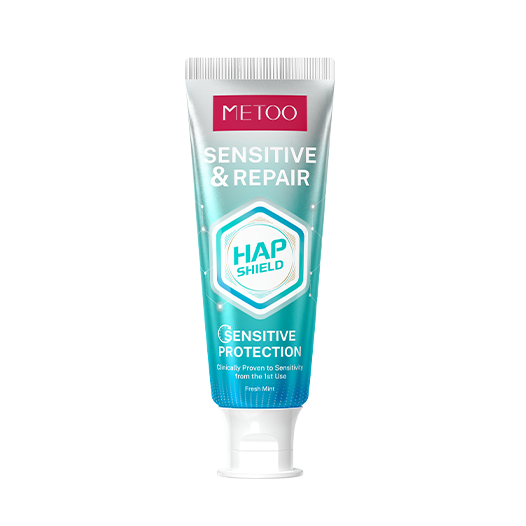
- Desensitizing Toothpaste: Using toothpaste with bioactive ingredients like HAP (Hydroxyapatite) can effectively resolve and reduce sensitivity to external triggers (hot, cold, or acidic stimuli).
- Can toothpaste prevent tooth sensitivity?
- Is it okay to use desensitizing toothpaste every day?
- Should I use a sensitive-teeth toothpaste?
- Why are my teeth so sensitive?
Disclaimer: This content is for educational and informational purposes only and is not a substitute for professional medical advice, diagnosis, or treatment. Always consult a licensed dentist for any dental concerns or pain.